
Understand product labels, professional application and practical questions to ask before treatment. This guide explains the practical details Australian homeowners should understand and the next steps worth considering.
Managing treated zones
Chemical barriers work as part of a broader termite management plan. Building changes, soil movement and landscaping can affect their continuity over time.A closer look
A licensed technician should explain the registered product, where it will be applied and what the label requires for people, pets and access to treated areas. Tell them about wells, drains, edible gardens or other sensitive areas before work begins. Ask for written preparation and re-entry instructions rather than relying on a general rule of thumb. Application to soil or building details should follow the product label and the property’s construction. Keep the treatment record for future maintenance and raise any concerns directly before authorising the work.The installer’s plan and product label should guide maintenance, rather than a general promise about lifespan. Preserve accessible slab edges and tell your technician about excavation, paving or garden changes. Regular inspections remain important even where a treated zone has been installed.
What this means for your property
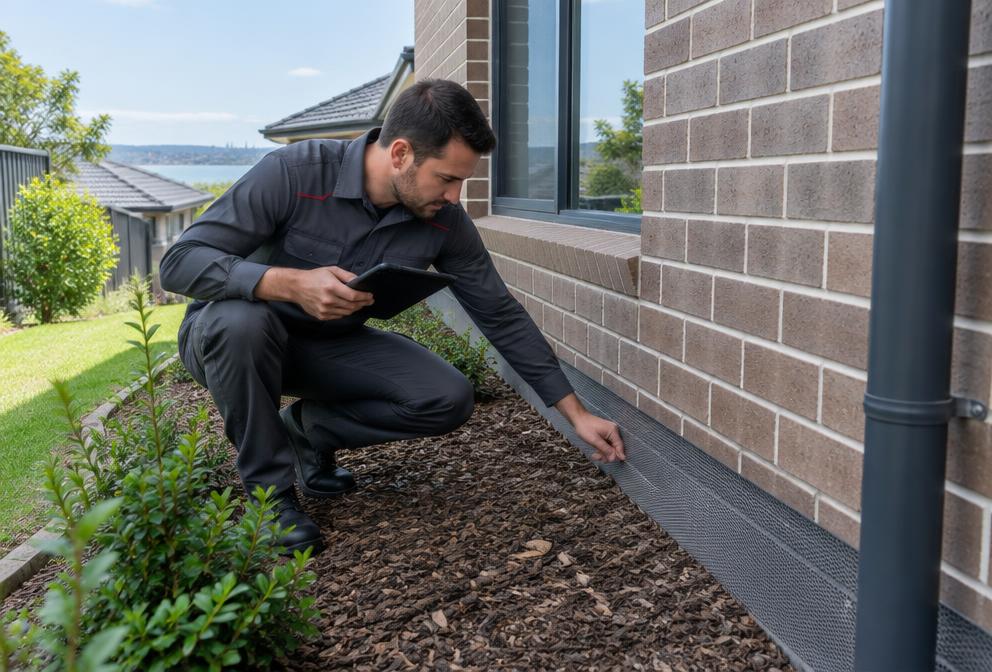
Ask the licensed applicator for the registered product name, label directions, re-entry advice and any preparation needed for children, pets, gardens or water sources. Application methods vary. Avoid relying on a general assurance of ‘safe’ without understanding the actual site and product instructions.A chemical treated zone is planned around possible soil-to-building entry paths. Pavers, concrete, attached structures and buried services affect whether a technician can achieve a continuous application. At a new build, pre-construction timing may allow access that is no longer possible once finishes are in place. For an existing home, trenching or drilling may be necessary, and a site plan should show both treated sections and gaps. Termiticides must be registered and used according to their current labels.
Reticulation is a way of accessing designated treatment zones later through installed lines; it is not identical to a newly applied conventional soil treatment. Termguard, Altis, TermStop, TermX and other networks can all be assessed for service or repair. Refill timing depends on the system, product, condition and site rather than a universal calendar date. Keep service records and ask how alterations, raised soil or garden beds might bridge the protection. Continue regular inspections, since no chemical application gives a complete guarantee against all concealed entry.
Practical next steps
- Photograph suspicious areas without disturbing them.
- Check nearby moisture sources and accessible timber.
- Arrange a licensed termite inspection for reliable identification.
When to call a professional
If you find suspected activity, unexplained timber damage or conditions that concern you, avoid disturbing the area. A licensed termite professional can identify the evidence, explain the accessible findings and recommend options suited to the property.