
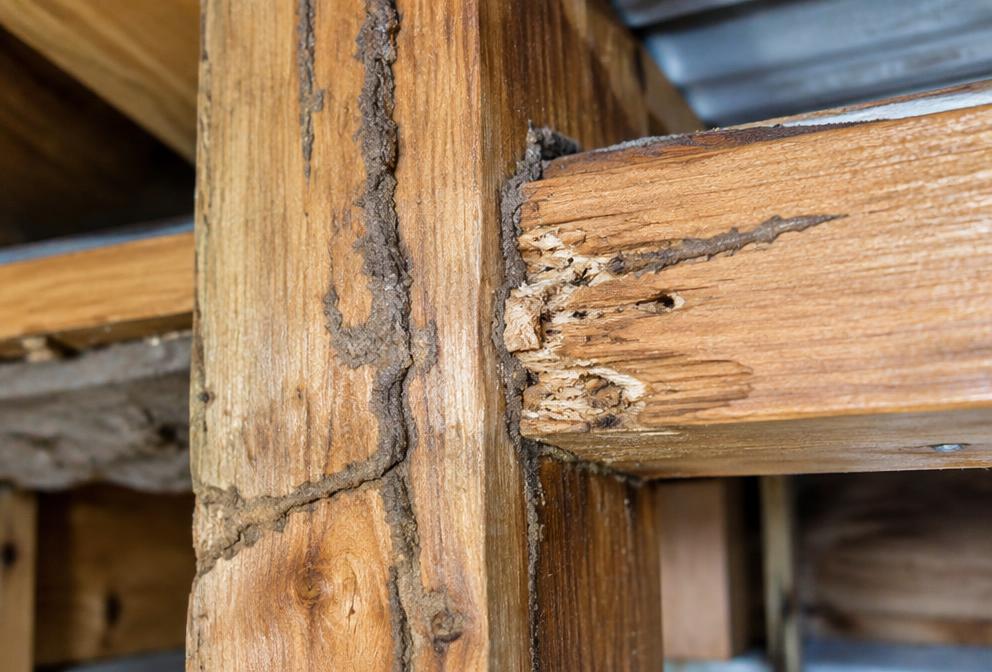
Identify common mud leads and take sensible steps without breaking open active termite workings. This guide explains the practical details Australian homeowners should understand and the next steps worth considering.
What to look for
Visible evidence can be subtle and may occur away from the main area of damage. Avoid opening, spraying or removing suspect material before it is assessed.
A closer look
Subterranean termites build covered passages to move between soil and food while avoiding exposure. These leads may appear on piers, slab edges, retaining walls or inside a garage, but a dried tube does not necessarily mean the threat has ended. Note its location, take close and wider photographs, and leave it untouched for inspection. A professional may follow the lead to understand how the insects reached the structure and whether activity remains. Breaking it open yourself can interrupt the visible route without addressing the colony or the entry conditions.
Look for more than one clue before drawing conclusions: moisture, old repairs and other insects can mimic some warning signs. A licensed inspector can document what is confirmed, what remains uncertain and whether further access is needed. Keep photographs and dated notes for comparison.
What this means for your property
Shelter tubes can follow brickwork, piers or concealed joints. Photograph the route and its junction with the building, but do not break it to look inside. The tube may be old or active; a professional needs to assess the area and surrounding access rather than relying on its appearance alone.
Termites often remain hidden while they travel between soil and timber. The evidence you can see may be a narrow mud lead, a change in the surface of a skirting board, discarded wings or a soft patch of timber. None of these clues on its own proves an active infestation: moisture, age and other insects can produce similar signs. Note exactly where the clue appears, whether the surface is damp, and whether there is a concealed path from ground level. Photograph the scene without breaking into the suspected workings.
A qualified inspector can look at accessible areas, identify any specimens available and explain the distinction between past damage and current activity. If they cannot reach a cavity or roof space, the report should say so clearly. Avoid covering over or spraying an unexplained sign before it is assessed; doing so may obscure the entry route. Once the evidence is understood, ask whether active control, a soil or construction barrier, monitoring, timber repair or simply further investigation is the appropriate next step. General pest-control products for ants are not a reliable termite diagnosis or treatment.
Practical next steps
- Photograph suspicious areas without disturbing them.
- Check nearby moisture sources and accessible timber.
- Arrange a licensed termite inspection for reliable identification.
When to call a professional
If you find suspected activity, unexplained timber damage or conditions that concern you, avoid disturbing the area. A licensed termite professional can identify the evidence, explain the accessible findings and recommend options suited to the property.